Tom Sawyer by Rush
Tom Sawyer, the opening track of Rush's 1981 album Moving Pictures, began as a poem by Pye Dubois and became one of the most played songs on classic rock radio.
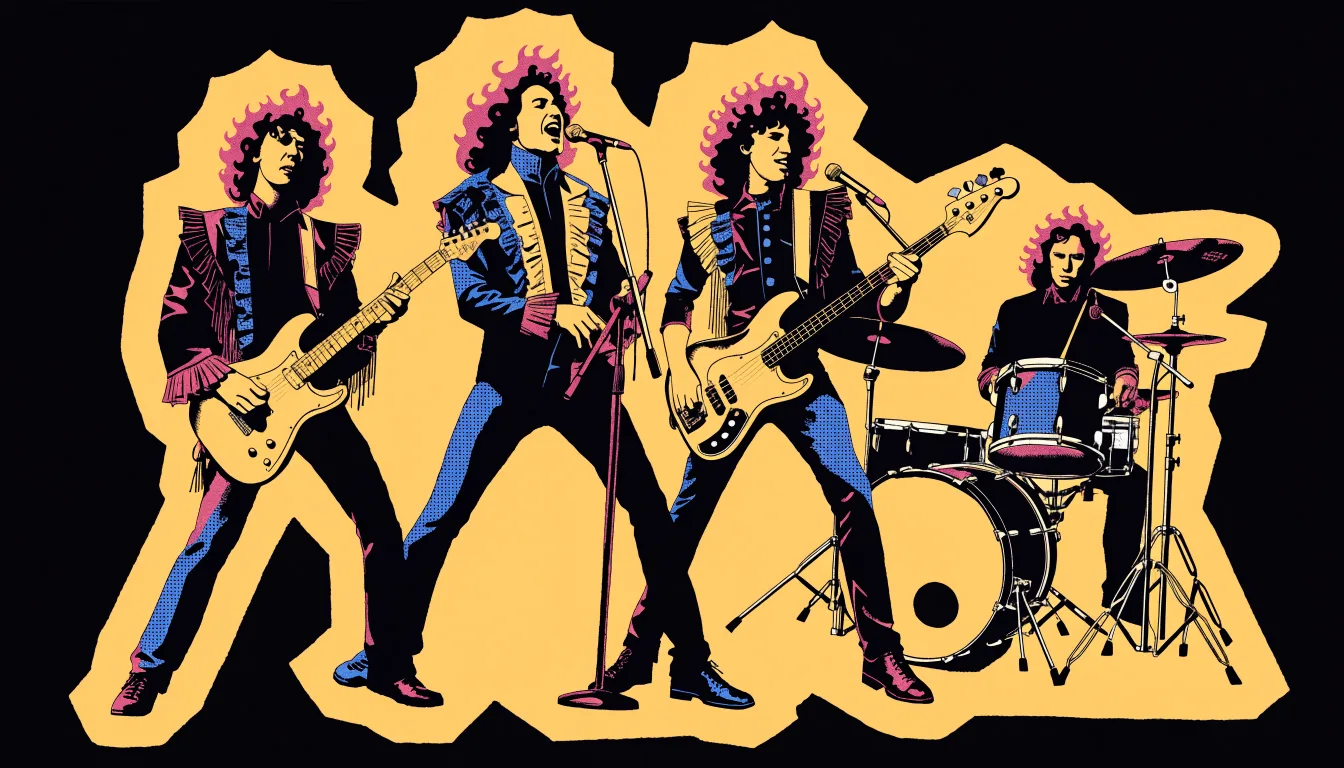
Tom Sawyer is a song by the Canadian rock band Rush, released in February 1981 as the opening track of the album Moving Pictures. Geddy Lee, Alex Lifeson and Neil Peart wrote it with lyricist Pye Dubois, and the band recorded it at Le Studio in Morin-Heights, Quebec. Issued as a single in May 1981, it reached number 24 in Canada, number 44 on the Billboard Hot 100 and number 8 on Billboard's rock tracks chart.
The lyric started with Dubois, who wrote for the Toronto band Max Webster. He had a poem called Louis the Warrior, written with Max Webster in mind, and he offered it to Rush in the summer of 1980. Peart reworked and lengthened it. Dubois had sketched a modern rebel, and Peart added a second idea: the effort to make peace between the boy and the man inside himself. In a 1985 newsletter, Peart described the song as a collaboration between himself and Dubois. The title borrows the name of Mark Twain's restless young hero, though the song tells no part of Twain's story.
Lee and Lifeson built the music during a summer rehearsal break the band took at Ronnie Hawkins' farm outside Toronto, with more work done later at Stony Lake in Ontario. The synthesizer line grew out of a figure Lee used to play while setting up his keyboards at sound checks. Rush played the song live before recording it, on a short run of American warm-up dates in September and October 1980, along with Limelight, another track that ended up on the new album.
Sessions at Le Studio ran through October and November 1980, with Terry Brown producing alongside the band. Moving Pictures was the first Rush album made on 48-track equipment, and Tom Sawyer took the band longer to get right than anything else on the record. Lee later told Prog magazine that for a long time it was the weakest song on the album, mostly because they could not find a sound they liked. Lee has credited an Oberheim synthesizer for the growling sound that opens the track.
Lee also changed basses for the song. He set aside the Rickenbacker 4001 he was known for and played a 1972 Fender Jazz Bass he had picked up at a pawn shop, the first time that instrument appeared on a Rush recording. Lifeson improvised his guitar solo. In a 2007 interview he said he recorded five takes before stepping out for a cigarette, and that his best playing was in the first two. The solo on the finished track is stitched together from several of those passes. Peart remembered the session itself taking about a day and a half. When the studio's mixing computer broke down, the three members each took charge of their own faders and mixed the song by hand.
Moving Pictures came out on February 12, 1981, with Tom Sawyer as its first track. The song was already on rock radio by the time Billboard launched its rock tracks chart in March 1981. On that first chart Rush held two spots in the top 10, with Limelight at number 7 and Tom Sawyer at number 10. No other act had two songs in that week's top 10. The US single, backed with Witch Hunt, followed in May. Record World called it a Zeppelinesque power ballad that breaks into a dynamic, demonic jam. Bruce Gowers directed the music video.
In the UK, Vital Signs was the single from Moving Pictures, and the studio version of Tom Sawyer was not released as a single there. A live version from the 1981 concert album Exit... Stage Left reached number 25 on the UK Singles Chart in November 1981. Years later the song earned a Silver certification in the UK for 200,000 units. The first CD pressings of Moving Pictures dropped the opening beat of the song, and later editions fixed the error.
VH1 placed it 19th on its 2009 list of the greatest hard rock songs. On March 28, 2010, it entered the Canadian Songwriters Hall of Fame as one of five Rush songs inducted that night. A Rolling Stone readers' poll ranked it as the best Rush song, as did Ultimate Classic Rock. Lee has called it the band's defining piece from the early 1980s, and drum education site Drumeo has named it possibly the greatest air-drumming song of all time. For players working it out by ear, the song's key and tempo are listed on its Song IQ page.
In the 2009 comedy I Love You, Man, Paul Rudd and Jason Segel play the song together in a basement jam. The song has also appeared in the films Small Soldiers, The Waterboy, Fanboys and Rob Zombie's version of Halloween, and on television in Futurama, Family Guy, Freaks and Geeks and Chuck. In an episode of Trailer Park Boys, Lifeson played the song while tied up with duct tape. Other artists have recorded it as well, including Deadsy and Mindless Self Indulgence, whose version appeared on the album You'll Rebel to Anything.
Tom Sawyer is one of the most played songs on American classic rock stations, and it ranks as the fifth most downloaded Canadian song from the 1980s.